Machining is a core manufacturing process used to shape metal and other materials info functional parts. While machining aims to create usable components, there is a significant difference between precision machining and standard machining. Choosing the right approach can impact the performance, cost, and reliability of the project.
At A & A Machine & Fabrication LLC, we want to quickly cover the difference between precision machining and standard machining:
- Standard machining—This type of machining is used for parts with more flexible tolerances and simpler designs. It’s well-suited for general components, where slight variations won’t affect function. This method is often more cost-effective for basic parts and shorter lead times when extreme accuracy isn’t required.
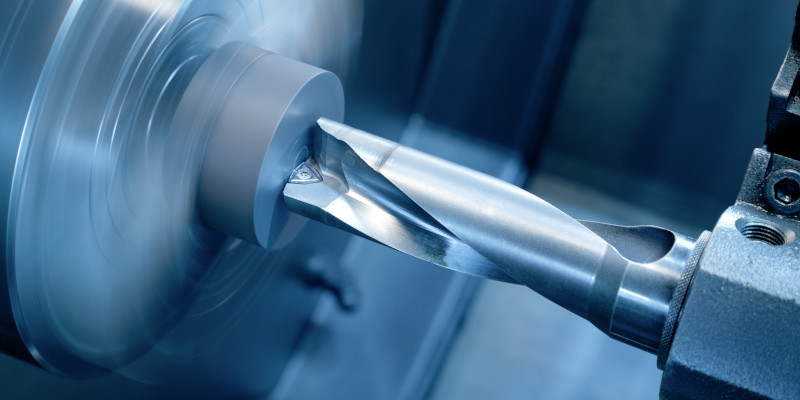
- Precision machining—On the other hand, precision machining is designed for parts that demand exact measurements and tight tolerances. Using advanced CNC equipment and highly controlled processes, precision machining can produce components with tolerances measured in thousandths of an inch. This level of accuracy is key for industries or projects where even small deviations can cause performance issues or equipment failure.
Another key difference between these two types of machining is consistency. Precision machining ensures repeatability across multiple parts, making it ideal for complex components and larger production runs that require uniformity. Standard machining can allow for more variation between parts, which can be acceptable for non-critical applications.
If you have any questions about our standard machining and precision machining capabilities, reach out to our team today.